
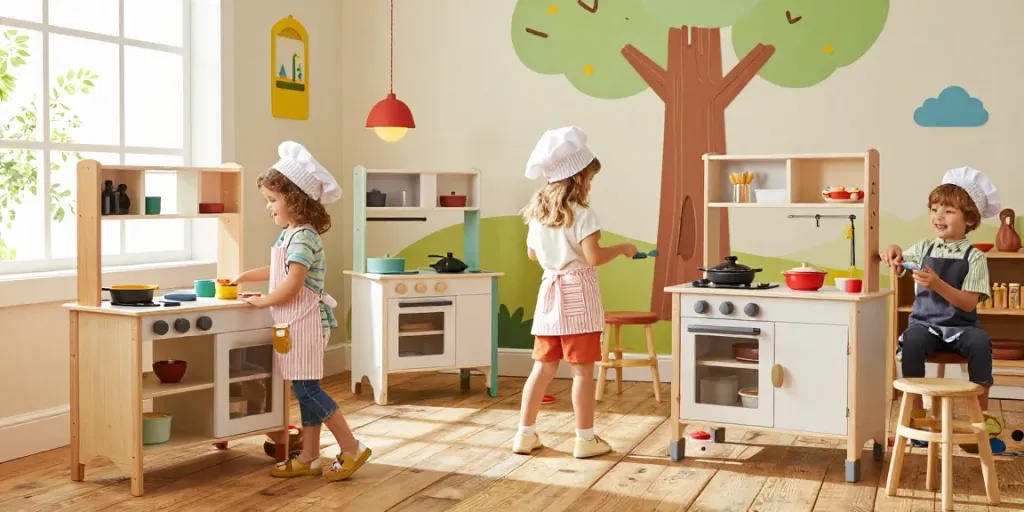
Understanding the Importance of Wooden Kitchens in Child Development
As parents and educators alike focus on fostering creativity and imaginative play in children, wooden kitchens have emerged as a versatile tool in this endeavour. These engaging toys not only provide endless hours of fun but also serve as a crucial instrument for developing a child’s cognitive, social, and motor skills. When exploring options, wooden kitchen sets offer a variety of benefits that make them a preferred choice for nurturing young minds.
Why Choose Wooden Kitchen Toys?
Wooden kitchen toys have become increasingly popular among parents due to their durability and aesthetic appeal. Unlike their plastic counterparts, which often contribute to landfill waste, wooden toys are usually crafted from sustainable materials, making them an eco-friendly option. This choice aligns with the growing trend towards sustainability in children's products. Additionally, wooden kitchens are often designed with an emphasis on safety and quality, offering peace of mind for parents concerned about their child's health.
The Benefits of Pretend Play for Children
Pretend play is fundamental to childhood development. It serves as a platform for children to experiment with roles, understand social dynamics, and develop problem-solving skills. Wooden kitchens encourage children to engage in role-playing, allowing them to mimic real-life scenarios, such as cooking and hosting, which enhances their understanding of the world around them. This form of play is also vital for emotional development, as it enables children to express themselves and understand their feelings in a safe environment.
How Wooden Kitchens Foster Creativity and Imagination
One of the most significant advantages of wooden kitchens is their ability to spark creativity in children. These kitchens often come with various accessories, from pots and pans to food items, enabling children to create their culinary masterpieces. The tactile experience of playing with wooden items promotes imaginative scenarios, allowing young chefs to narrate their stories and adventures. Furthermore, the open-ended nature of these toys encourages children to think outside the box, enhancing their problem-solving skills and innovation.
Key Features to Look for in Wooden Kitchen Sets
Safety Standards and Certifications
When selecting a wooden kitchen, safety should always be a top priority. Ensure that the kitchen set complies with safety standards and certifications relevant to children's toys. Look for certifications such as EN71 (European Standard for Safety of Toys) which denote that the toy has been tested for safety, including the absence of harmful chemicals and sharp edges. This diligence ensures that children can play safely and without concern.
Durability and Materials Used
Durability is another critical factor when choosing a wooden kitchen. High-quality wooden kitchens are typically made from hardwoods, which offer resilience against the rough and tumble of playtime. Some brands even use eco-friendly finishes that are non-toxic, ensuring that children are not exposed to harmful substances. Invest in kitchen sets that come with a warranty or guarantee to ensure long-term satisfaction.
Design and Aesthetic Appeal
The design and aesthetics of a wooden kitchen can significantly impact a child’s engagement with it. Look for sets that incorporate vibrant colours and thoughtful design elements that appeal to children’s senses. A well-designed kitchen not only attracts children but also complements home decor, making it a stylish addition to any playroom or living area.
Best Practices for Engaging Play with Wooden Kitchens
Encouraging Social Interaction During Playtime
To maximise the benefits of playtime with wooden kitchens, parents and caregivers should encourage social interaction. Set up playdates where children can cook and play together, fostering collaboration and communication. This practice helps children develop essential social skills, such as sharing, negotiation, and teamwork. Watching children work together to create their imaginary feasts can be both entertaining and educational.
Incorporating Educational Elements into Play
Wooden kitchens can be leveraged as educational tools. Parents can introduce counting and basic math skills by allowing children to measure and distribute ingredients. Furthermore, children can learn about nutrition and food preparation safety, integrating valuable lessons into their play. By weaving educational elements into play, caregivers can enhance the learning experience without making it feel like a chore.
Creating Themed Cooking Experiences for Children
Themed cooking experiences can bring a new level of excitement to playtime. Consider organising a ‘dinner night’ where children can choose a cuisine, prepare dishes, and even set the table. This approach not only stimulates creativity but also introduces practical life skills such as planning and organisation. Encourage children to dress up in chef hats or aprons to immerse them in the experience fully.
Comparing Top Wooden Kitchen Brands in 2026
Innovative Features and Unique Offerings
As the market for wooden kitchens evolves, several brands stand out for their innovative features. Companies like Le Toy Van and Tiny Land are renowned for their thoughtfully designed kitchens that reflect real-life functionality while maintaining simplicity. Look for features such as removable sinks, interchangeable parts, and engaging sound effects to enhance realism and play value.
Price Points and Value for Money
Wooden kitchens can vary significantly in price, depending on the brand and features. It is essential to consider the long-term value when making a purchase. Investing in a high-quality, durable kitchen may involve a higher upfront cost but can provide years of enjoyment and play. Compare various options within your budget and evaluate their features to determine the best value for your needs.
User Reviews and Real-World Insights
Before making a purchase, reading user reviews can provide valuable insights into product quality and performance. Look for feedback on durability, ease of assembly, and overall satisfaction from other parents. Websites like community forums or customer review sections on brand sites can offer a wealth of information, helping you make an informed choice.
Future Trends in Wooden Kitchen Toys and Play Experiences
Emerging Design Trends for 2026 and Beyond
The design of wooden kitchens is evolving, with trends moving towards more sustainable materials and multifunctional playsets. Expect to see kitchens that integrate nature-inspired themes and eco-friendly finishes. Companies are increasingly focusing on producing environmentally conscious products, aligning with consumer awareness about sustainability.
Technological Integrations in Traditional Play
Interestingly, technology is beginning to find its way into traditional wooden playsets. Future designs may feature augmented reality elements, allowing children to experience interactive cooking experiences through smart devices. This blend of technology and traditional play can enhance learning while maintaining the tactile benefits of wooden toys.
Expert Predictions for the Role of Sustainable Toys
Experts predict that the demand for sustainable toys, including wooden kitchens, will rise in the coming years. As more parents seek to reduce their ecological footprint, manufacturers will likely respond by creating even more eco-friendly wooden toys. This shift not only benefits the environment but also instills important values in children regarding sustainability and environmental stewardship at an early age.
How much does a wooden kitchen toy typically cost?
The price of a wooden kitchen toy can range from £50 to £350, depending on the complexity and brand. High-end options often feature intricate designs and additional accessories, offering greater play value.
What age group benefits the most from wooden kitchens?
Wooden kitchens are suitable for children aged 3 and up. At this age, children are typically ready to engage in imaginative play and understand role-playing dynamics.
How do wooden kitchens compare to plastic options?
While plastic kitchens may be lighter and less expensive, wooden kitchens provide greater durability and a more tactile experience. They are also environmentally friendly, making them a better long-term investment for families.
Are there eco-friendly options for wooden kitchens?
Yes, many brands produce eco-friendly wooden kitchens using sustainably sourced materials and non-toxic finishes. Always check for certifications to ensure the product meets environmental standards.
What accessories can enhance the wooden kitchen experience?
Accessories like food playsets, cooking utensils, and themed decor items can significantly enrich the wooden kitchen experience. Encourage children to explore various culinary themes by introducing different accessory sets.